
The Decision You’re Actually Making About HR
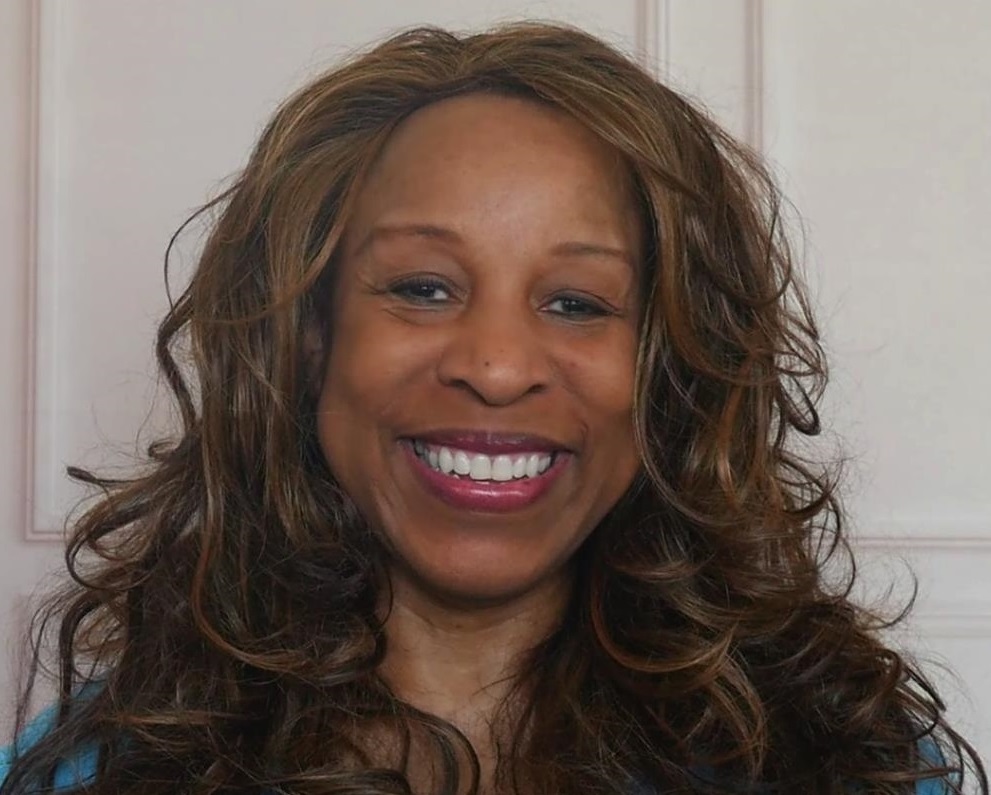
By VICKY BROWN
When Handling HR on Your Own Starts to Shift
If you’ve been running your business for a while, you’ve likely gotten used to managing HR on your own. You hire when needed, address issues as they come up, and make judgment calls based on what feels right in the moment. For a period of time, this approach works – and often works well enough that there’s no clear reason to change it.
But at a certain point, something begins to shift. It’s not dramatic, and it doesn’t usually show up as a clear problem. Instead, it’s more subtle. Things begin to feel heavier. Decisions take a little longer. Situations feel less straightforward than they used to.
That shift is often the first sign that your business has outgrown its original approach to HR – even if everything still appears to be functioning.
When HR Stops Feeling Simple
In the early stages of a business, HR decisions tend to be relatively straightforward. You’re close to your team, communication is direct, and most situations can be resolved with a conversation and a bit of common sense. At that stage, instinct carries a lot of weight, and it usually works.
As your company grows – moving from 10 employees to 20, then 30 – those same decisions begin to change in nature. It’s not just that they happen more frequently. They become more layered. Timing matters more. Consistency becomes more important. And the consequences of a decision are not always immediate or obvious.
This is where many founders begin to feel a sense of pressure, even if they can’t fully articulate why. It’s not a loss of confidence. It’s a change in the environment they’re operating in.
The Trap of “We’re Fine for Now”
One of the most common patterns at this stage is staying in the “we’re handling it internally” mindset longer than necessary. And to be clear, this doesn’t come from neglect or poor leadership. It comes from the fact that, for a while, that approach genuinely works.
You can address issues as they arise. You can lean on your team. You can make decisions and move forward without major disruption. Nothing breaks, and there’s no clear signal forcing a change.
That’s exactly what makes this stage so easy to stay in. The need to evolve doesn’t show up as a crisis. It shows up as a gradual increase in complexity and pressure – something that’s easy to normalize over time.
The Real Question Behind HR Decisions
At this point, many founders believe they’re asking a practical question: “Can we keep handling HR ourselves?”
But that’s not actually the decision being made.
The more relevant question is whether you have the right level of perspective behind the decisions you’re making. Every time you handle an HR situation on your own, you’re relying on your interpretation, your research, and your past experience.
There’s nothing inherently wrong with that. It’s how many businesses operate for years. But as the business grows, that reliance carries more weight. The same decision that once had minimal impact can now affect multiple employees, set precedent, or introduce risk that isn’t immediately visible.
“…at a certain point, something begins to shift. It’s not dramatic, and it doesn’t usually show up as a clear problem. Instead, it’s more subtle.“
Why the Weight Feels Heavier
The reason HR starts to feel heavier isn’t because you’ve become less capable. It’s because the margin for error has narrowed.
As your organization grows, a single decision can have ripple effects across your team. It can influence culture, shape expectations, and in some cases, create legal exposure – especially in states like California, where employment laws are more complex and more actively enforced.
You are still the decision-maker. That doesn’t change. What changes is how much support you have behind those decisions. And when that support doesn’t evolve alongside your business, the responsibility – and the risk – stays concentrated with you.
The Hesitation Around Hiring HR
This is often the point where founders begin to consider bringing in a full-time HR resource. And just as often, they hesitate.
It’s not because they don’t see the value. It’s because it feels like a significant step. Hiring an HR leader means adding overhead, building out a new function, and committing to a structure that may feel ahead of the business’s immediate needs.
So instead, the default decision becomes to continue as is. Handle the next situation, then the next, and reassess later.
The Cost of Not Making a Change
What’s often overlooked is that choosing not to change is still a decision. It means continuing to operate with the same level of support, even as the complexity of the business increases.
Over time, that choice tends to show up in subtle ways. More second-guessing. More reactive decision-making. More uncertainty about whether situations are being handled correctly.
These aren’t always immediate or visible costs, but they accumulate. And they can impact both the consistency of your leadership and the stability of your operations.
What Founders Are Actually Looking For
At this stage, most founders aren’t looking to hand off responsibility. They don’t want someone else making decisions for them.
What they’re looking for is confidence.
They want to make decisions with better information, clearer context, and a stronger understanding of potential outcomes. They want to know that they’re not missing something that could create problems later.
That’s the real shift – from simply making decisions to making informed, well-supported decisions.
Whether you’re an entrepreneur jumping into a leadership role, a seasoned business pro with new HR responsibilities, or just starting your HR career – we’ve got the right path to guide you through your HR hurdles.
Check out the Leaders Journey Experience.
Moving Toward Supported Decision-Making
The choice isn’t limited to handling everything internally or building a full HR department. There is a middle ground, and it’s one that many small businesses overlook.
It’s not about removing responsibility. It’s about improving the quality of support behind the responsibility you already have.
That can look like having a resource to pressure-test decisions before you act, gaining clarity on where risk actually sits, or structuring decisions in a way that holds up over time. You remain the decision-maker, but you’re no longer operating in isolation.
Why This Matters for Small Businesses
For small businesses – particularly those operating in California – this distinction is important. The difference between a decision that feels right and one that is structured, consistent, and defensible can be significant.
This isn’t just about compliance. It’s about leadership. Your team experiences the difference in how decisions are made. Your business reflects it in how consistently situations are handled.
A Better Way to Frame the Decision
If you’re in a stage where things are working but beginning to feel heavier, it may be time to reframe the question.
Instead of asking whether you can continue handling HR on your own, consider whether you have the right level of perspective behind your decisions.
Because you will continue making those decisions either way. The only variable is how supported you are when you make them – and that’s what ultimately shapes how your business grows.
Spread the word

MORE HUMAN, MORE RESOURCES
310.308.7680 option 1
hello@idomeneoinc.com